寄送至:
rsgtaipei.tat@gmail.com
主旨:欲由XXX品牌大使推薦參與 RSG Taipei 2026


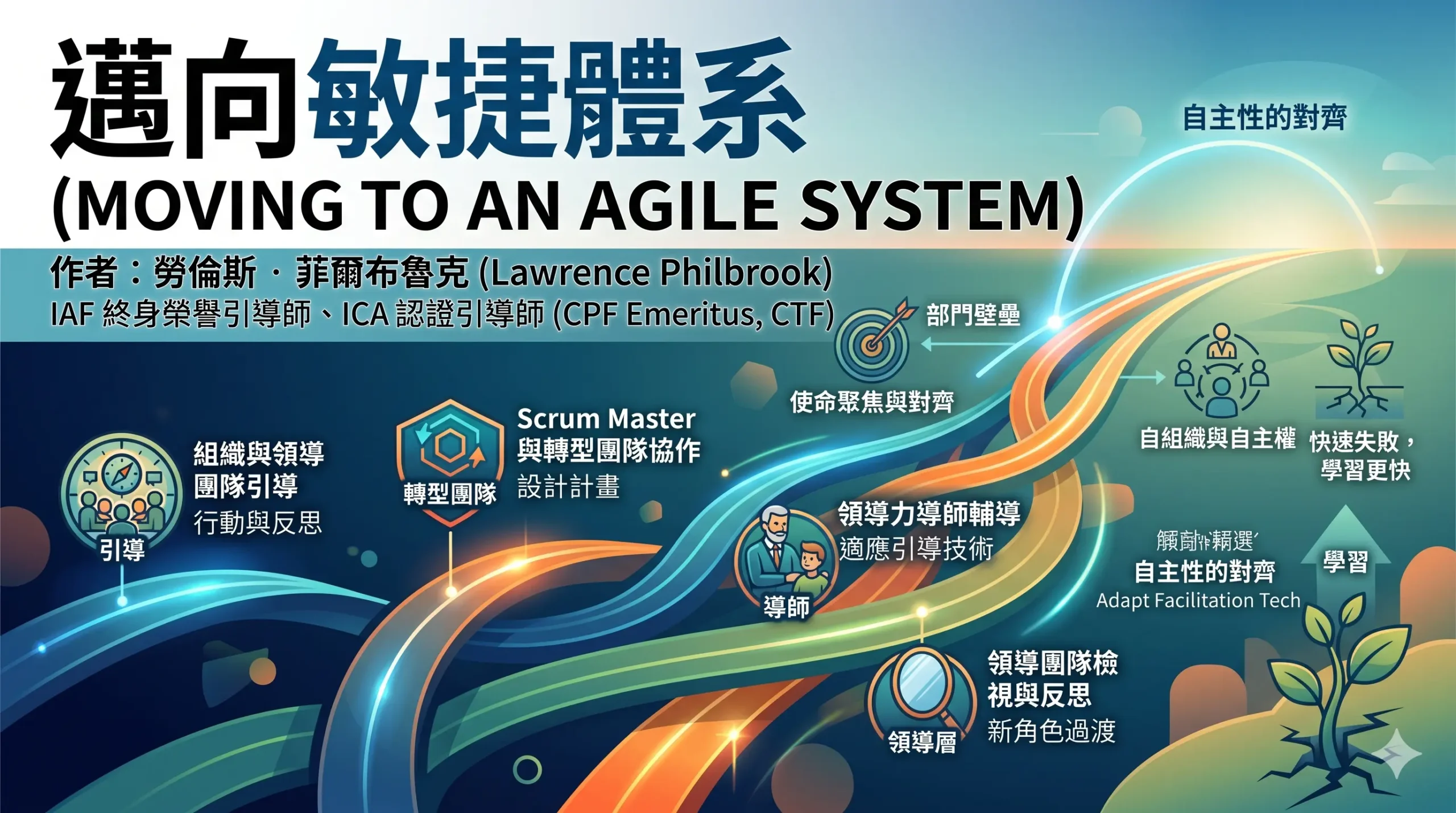
邁向敏捷體系
「敏捷是一種心智模式。敏捷不只是在現有管理框架下實施的方法論,它本身就是一種截然不同的管理框架。敏捷始於對組織目標的全新視角。要獲得敏捷的益處,管理者不只需要『做敏捷』(do Agile),更必須『化身敏捷』(be Agile)。」
— Steve Denning
本文作者:Lawrence Philbrook
ICA 台灣案例背景
當初有幾位 Scrum Master 接洽我們,希望能參加引導培訓。當我們進入敏捷的世界時,我發現這與我們的工作有許多重疊之處,特別是將「行動規劃」與「執行」視為開發「學習型組織」的關鍵環節 。
大約一年後,其中一位 Scrum Master 再次聯繫,詢問我們是否能協助他們不僅在團隊中,更在整個「系統」中整合敏捷。
為了確保我們能夠提供幫助,我們與那些已經深入實踐敏捷理念的客戶和同事合作,開發了一套「五大價值篩選準則」(Five Value Screen),旨在幫助領導團隊理解敏捷的概念及其在他們自身系統中的應用。此流程以引導為核心,始終圍繞客戶的具體情況(Context)展開,並專注於確定領導者可以採取的行動。其部分目的在於幫助他們認識到,如果團隊最終要實現敏捷,那麼系統和領導層也必須隨之敏捷化。
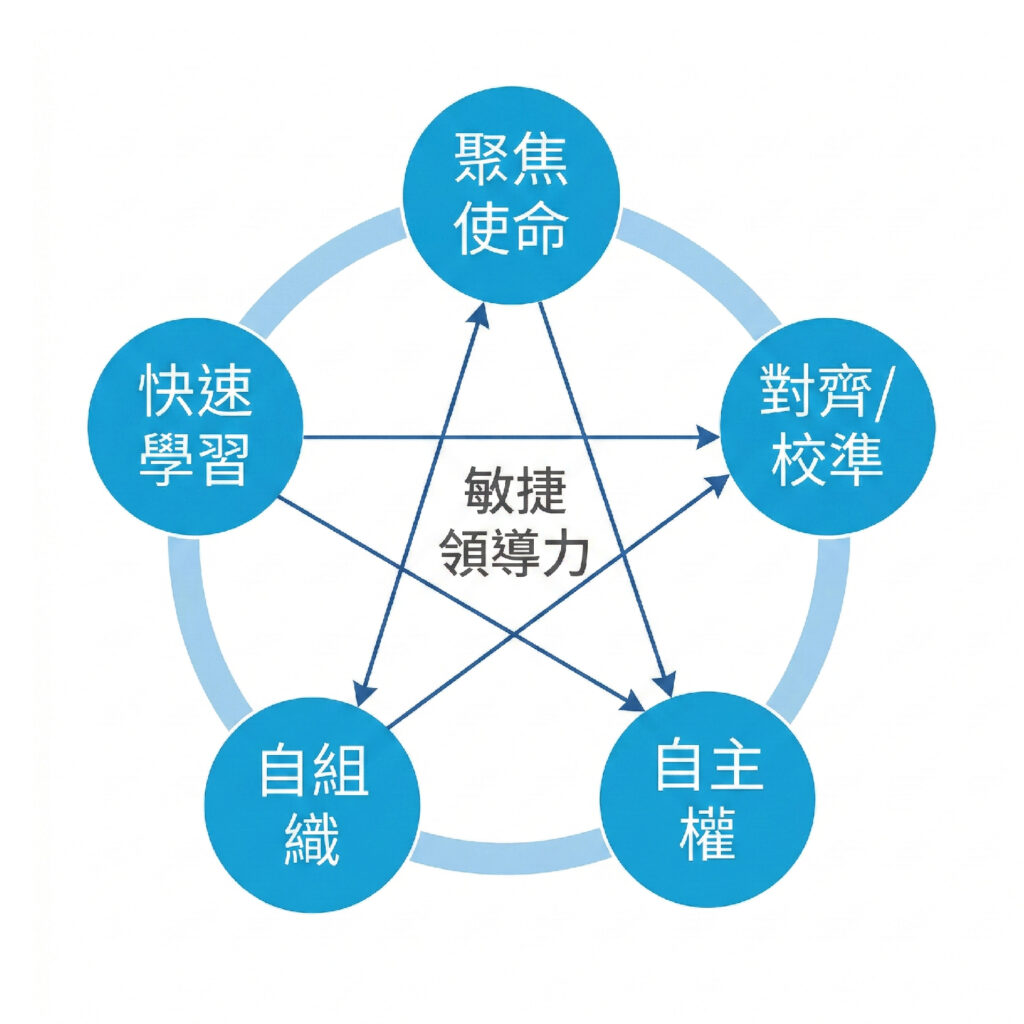
敏捷系統的 5 大關鍵價值
使命聚焦與對齊 (Mission Focus and Alignment):確保所有人全神貫注,並與同一份優先順序清單對齊 。打破部門壁壘(Silos)。確保人們專注於以最少的投入換取最高的業務影響力(「聰明工作」比「努力工作」更重要)。
自組織與自主權 (Self-organization and Autonomy):明確目標與現況,讓成員能自主思考與行動,無需事事聽命 。確保分配給成員的是「要解決的問題」而非「要執行的任務」。運用團體的集體智慧,而非試圖讓自己成為唯一的策劃者 。
快速失敗,學習更快 (Fail Fast, Learn Faster):營造一個允許早期且頻繁發生小失敗的情境,藉此降低最後面臨重大失敗的風險 。
四軌並行的轉型系統
在完成訪談與準備後,我們提出了一個四軌並行的系統,各軌互相交織以支持變革 :
- 組織與領導團隊引導:進行規劃、行動與反思 。
- Scrum Master 與轉型團隊協作:提供引導培訓,支持他們設計涵蓋所有團隊的計畫 。
- 領導力導師輔導 (Mentoring):支持個人適應引導技術,並轉型以支持自主權與自組織 。
- 領導團隊檢視與反思:支持團隊向新角色過渡 。
轉型團隊的反思
當我們將工作交給內部轉型團隊時,他們的反思是: 「領導者理解並以身作則地支持敏捷,這將改變一切 。敏捷領導者的主要職責是創造『自主性的對齊』(Autonomous Alignment),這需要共同的目標與使命 。 這有助於關注『成果』(Outcomes)而非『產出』(Output)。為了實現自主,我們必須轉向以人為本,而非以任務為本。我們渴望團隊擁有自主權,但唯有在目標一致的情況下,才能成功實現自主,因為目標一致孕育自主。領導者需要展現並維持:「共同使命 — 積極決策 — 深入反思 — 重申承諾 。」這一良性循環。
當我們把工作交給內部轉型團隊時,他們的反思是: 領導者理解並以身作則地支持敏捷,這將改變一切。敏捷領導者的主要職責是創造自主協同,這需要共同的目標和使命。這有助於關注結果而非產出。為了實現自主,我們需要以人為本,而非以任務為本。我們希望團隊擁有自主權,但團隊只有在目標一致的情況下才能成功實現自主,因為目標一致才能孕育自主。領導者需要展現並維持「共同使命—積極決策—深入反思—重申承諾」這一良性循環。
專業引導師的結語
這篇案例再次證明了引導師作為「催化劑」的角色 。在敏捷轉型中,我們不僅是在教工具,更是在協助組織建立一種「深入的反思習慣」。
身為同樣在引導路上並肩前行的夥伴,你是否也曾在帶領敏捷團隊時,感受到「領導者行為改變」所帶來的巨大能量?如果需要進一步討論如何將 ICA-ToP 的八步驟「行動規劃」與敏捷的「Sprint 規劃」做更深度的結合,隨時歡迎交流!
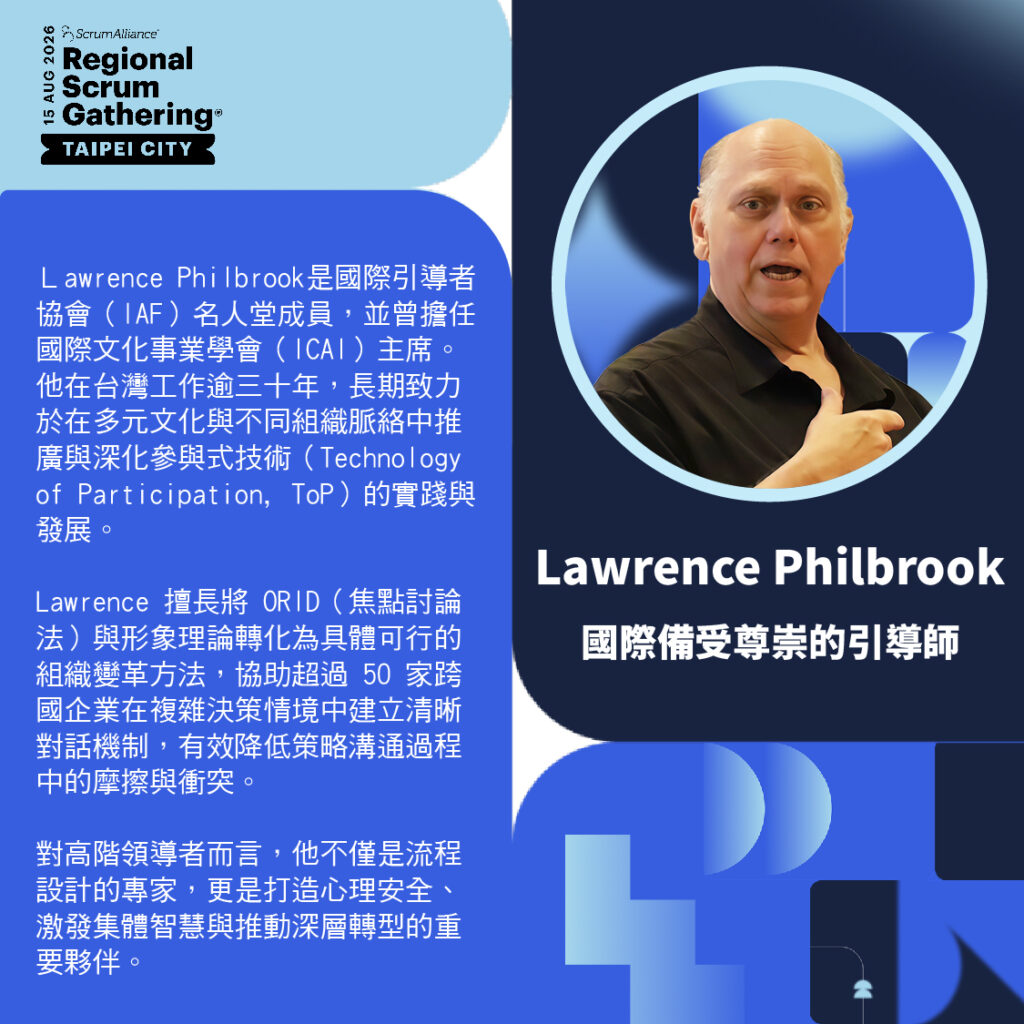
RSG Keynote Lawrence Philbrook
RSG Taipei 2026 最後保留票索票中
目前 RSG Taipei 2026 已吸引超過 180 位專業人士索票,其中超過六成為企業管理層。
如果你關心:AI 時代的組織速度、敏捷治理與企業轉型、跨產業的管理實踐——
RSG Taipei 2026 將會是一個非常難得的交流場域。歡迎前往官方網站報名:https://www.rsgtaipei.org/
MOVING TO AN AGILE SYSTEM
a brief Case by Larry Philbrook, CPF Emeritu CTF
Agile is a mindset. Agile isn’t just a methodology to be implemented within the existing management framework. Agile is a dramatically different framework for management itself. Agile begins with a different view of the goal of the organization. To get the benefits of Agile, managers not only have to “do Agile.” They must “be Agile.”
Steve Denning
ICA TAIWAN CASE
We were approached by scrum masters to gail access to facilitation training. As we entered the Agile world I discovered a lot of overlap with our own work in using action planning and implementation as a key part of developing learning organizations.
Almost a year later one of the scrum masters called back and asked if we could work with them to integrate Agile not just for their teams but for their system.
I wanted to make sure we could be of service so working with clients and colleagues who were immersed in Agile practice and mindset, we developed a five value screen as a way to work with leadership teams to understand the concept and application of Agile in their own systems. The process is focused through facilitation to stay within the client context and on the determining actions, they can take as leaders. The focus is partly to help them realize if teams are going to be agile eventually the system and leadership must be as well
5 Key Agile Values
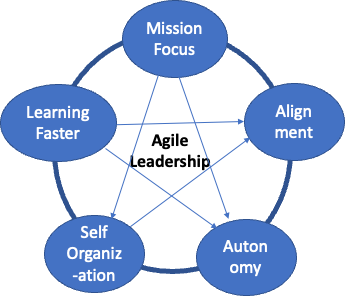
Mission Focus and Alignment. Ensure that all are focused and dedicated, aligned with the same list of priorities. Bash silos. Ensure that people are focusing on achieving the highest possible business impact with the lowest possible effort and output (working smart is more important than working hard).
Self-organization and autonomy. Make the goal and current situation clear so that people can think and act autonomously, with no need for you to tell them what to do. Ensure people are given problems to solve rather than tasks to execute. Harness the collective intelligence of the group, rather than trying to be a mastermind yourself
Fail fast, Learn faster Create a context where small failures can happen early and often, thereby reducing the risk of a big failure at the end.
With this preparation we agreed and after interviews proposed a 4 track system each interacting to support the change.
- Facilitation with the organization and leadership team to plan, act and reflect.
- Working with the scrum masters and transformation team on facilitation training and supporting their designs for programs to support all teams.
- Leadership mentoring to support the individuals adapting facilitation and transisting to support autonomy and self organization.
- Leadership team review and reflection to support their team transition to the new role.
As we handed over to the internal transformation team their reflection was:
Having the leaders understand and support Agile with their own behavior changes everything. The agile leader’s main job, is to create Autonomous Alignment which requires shared purpose and mission. This supports focus on outcomes, not output. For autonomy, we need to become objective driven with people rather than task driven. If we want autonomy at teams but teams can only be successfully autonomous if they are aligned since alignment breeds autonomy. Leaders demonstrating and Sustaining the reinforcing loop of Shared mission – active decision making – robust reflection – re-commitment.
—————————————————————————————————————-
LAWRENCE E. PHILBROOK is a facilitator and organizational transformation consultant. He has been designing processes for teams and leaders in varied cultural settings for over twenty years. He joined the Institute of Cultural Affairs a global not-for-profit in 1972. ICA is focused on participation as a catalyst for organizational change and community development. Lawrence has worked outside the US since 1977 doing extensive company and community-based projects in over 20 nations. For the past 12 years he has lived in Taiwan while working across Asia. His current focus is in promoting facilitation and dialogue in organizations and individual development. If you wish further conversation please contact me at icalarry@ms69.hinet.net.